

Insurance Adjusters Are Flagging Wiring Repairs More Often
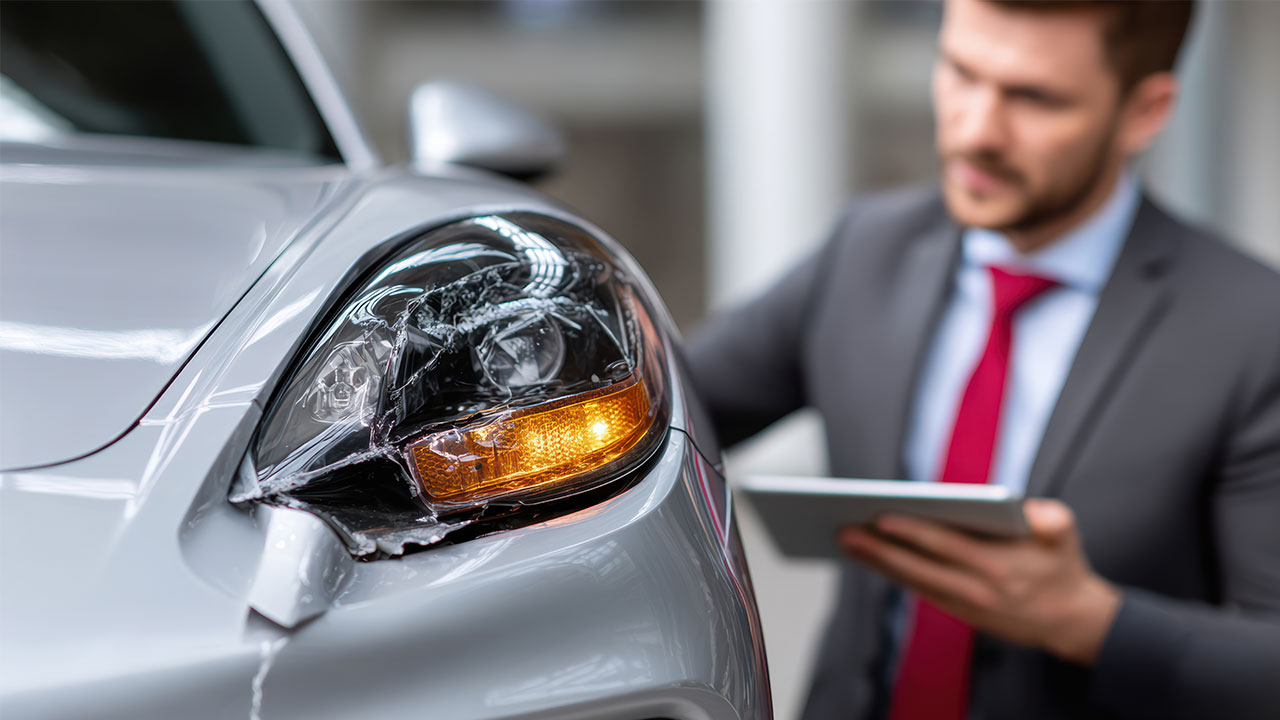
Why are electrical line items under more scrutiny in modern collision claims
Collision repair has changed fast.
What used to be mostly panels, paint, and structural work is now deeply tied to something every shop is dealing with more often:
Electrical systems. Wiring integrity. Connector-level repairs.
Insurance adjusters are paying closer attention to wiring repairs because modern vehicles are no longer simple mechanical machines with engines and transmissions. They are rolling networks of sensors, modules, cameras, and data communication.
At the same time, repair costs continue to rise across the industry, which makes electrical repair line items a frequent area of review.
This article breaks down what is happening, why it matters, and how shops can stay ahead.
Collision Repair Has Entered the Electrical Era
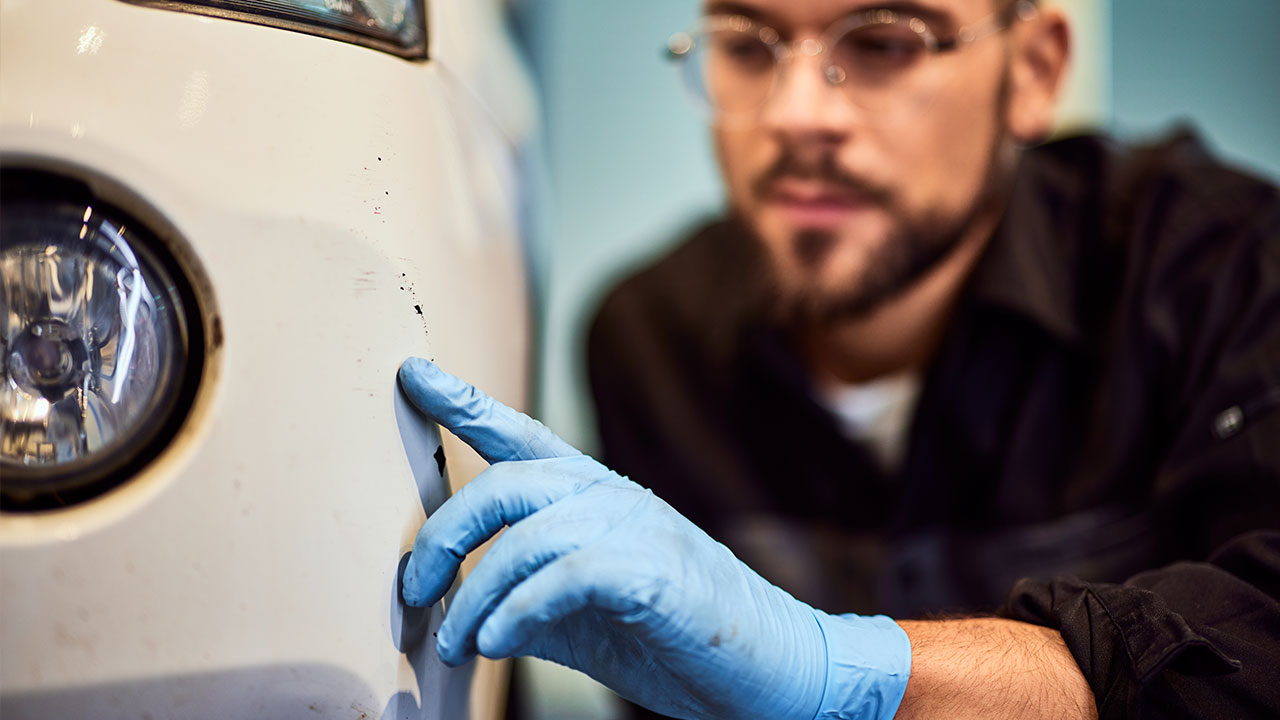
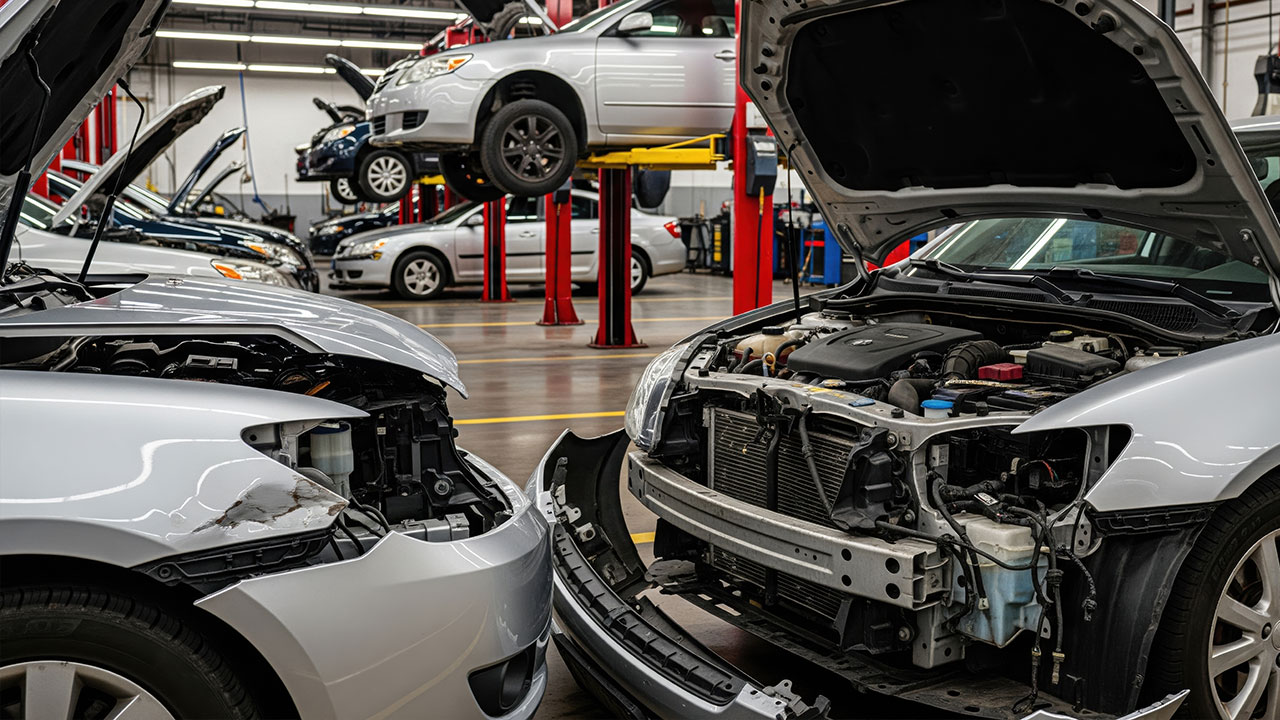
A low-speed front-end impact today does not just damage bumpers and brackets.
It can easily affect:
- Headlamp and DRL connector assemblies
- Parking sensor harness routing
- Radar and ADAS electrical circuits
- Cooling fan and high-current connectors
- Active grille shutter wiring zones
Even minor collisions can cause hidden electrical issues that only appear during scanning or post-repair testing.
That is why collision repair is becoming more electrical, whether shops planned for it or not.
Why Adjusters Are Looking Closer at Wiring Repairs
Insurance carriers are operating in a world of higher claim severity, rising repair complexity, and increasing parts and labor costs.
Electrical repairs often stand out because they can escalate quickly.
Common adjuster concerns include:
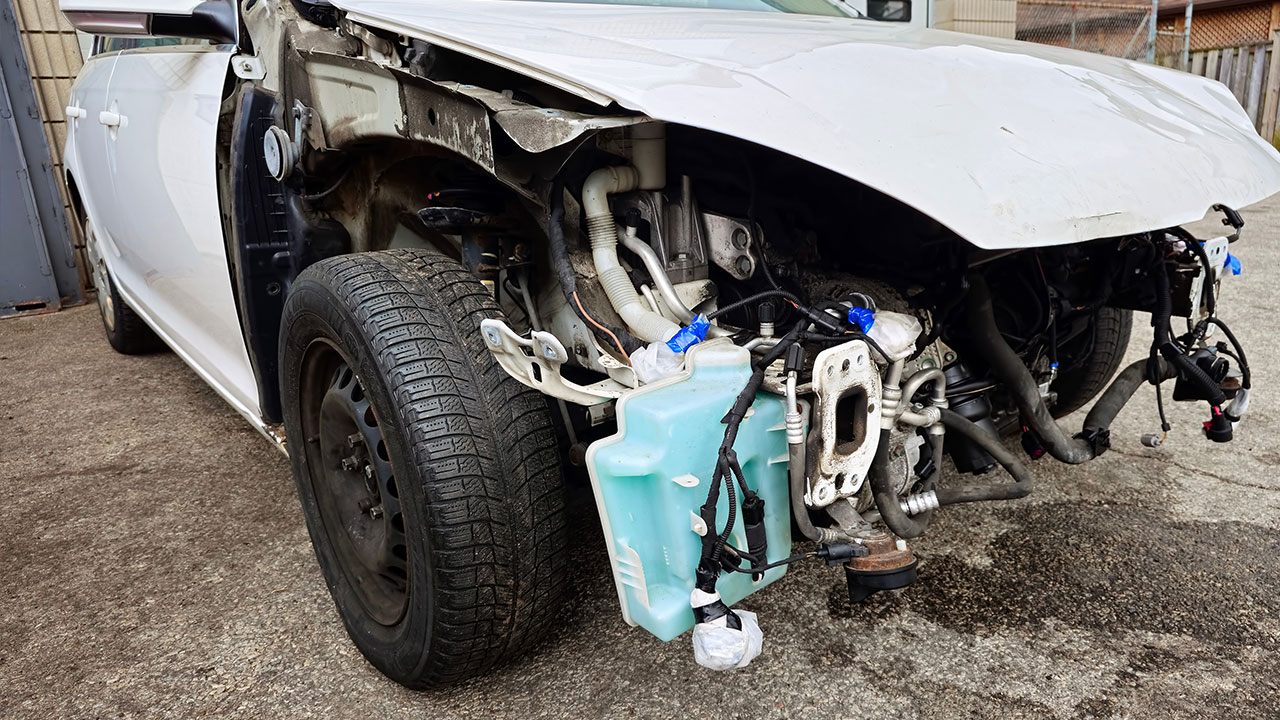
- High labor hours are tied to harness access
- Expensive full harness replacement requests
- Safety implications connected to ADAS and airbag wiring
- Increased need for scanning and calibration
- Difficulty verifying the damage without documentation
From an insurance perspective, wiring line items represent both cost and liability, so they receive more attention.
The Questions Adjusters Are Asking More Often
Collision and mechanical shops are seeing more frequent requests for justification during approvals and supplements.
Does the harness really need replacement?
Full-harness assemblies are costly and often trigger review when a connector-level repair would solve the problem.
Is this repair OEM-supported?
Adjusters want to know if the procedure aligns with manufacturer expectations, especially for safety-critical circuits.
Can you prove the connector was damaged?
Photos, scan reports, and teardown evidence matter more than ever.
Is this related to ADAS or other safety systems?
Anything connected to radar, cameras, or restraint systems will be flagged faster.
Connector Damage Is Often Real, Even When It Is Not Obvious
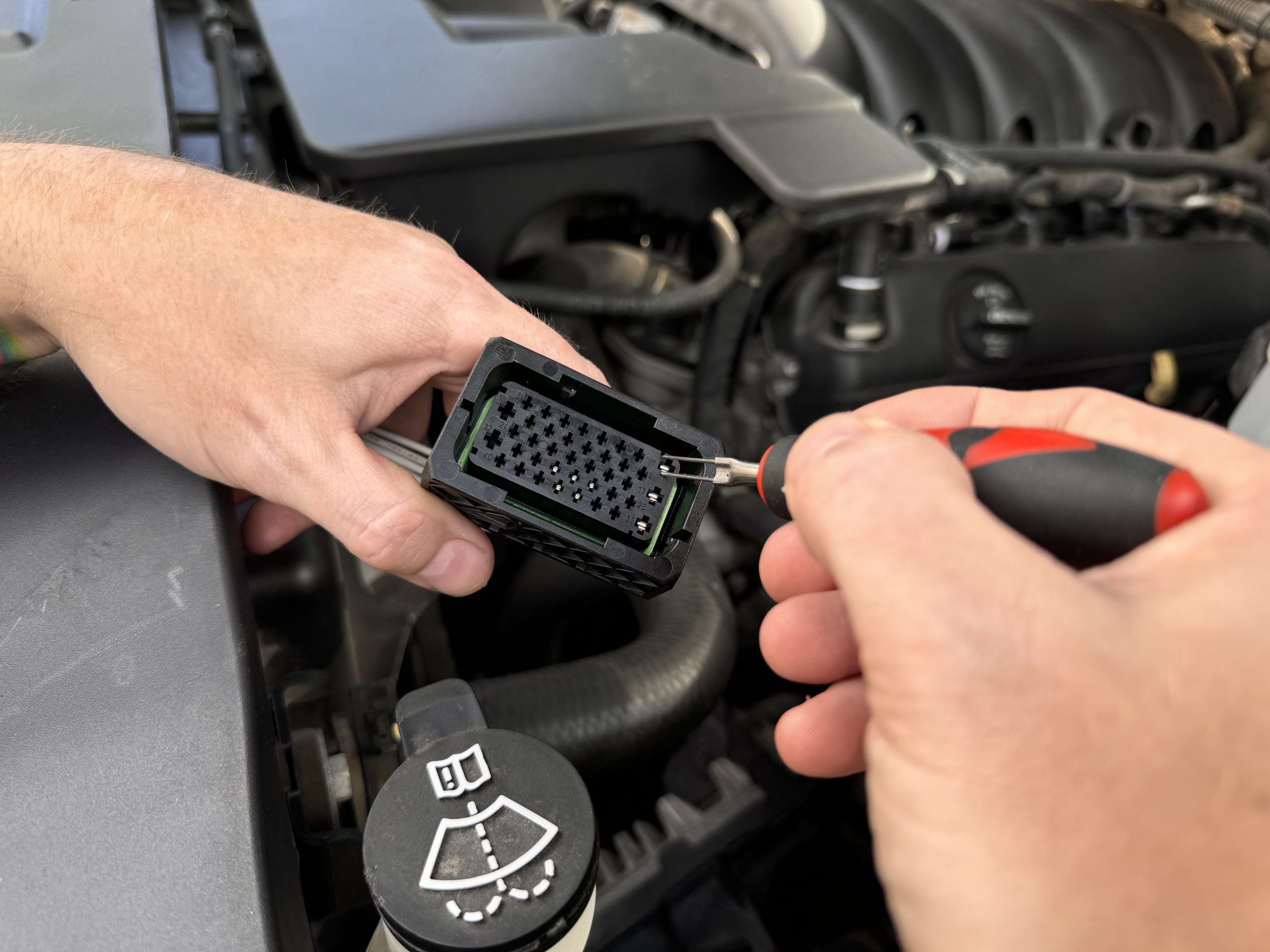
One of the biggest challenges is that connectors can fail without dramatic external damage.
Common post-collision connector issues include:
- Terminal pin spread
- Micro-cracks in housings
- Corrosion after water intrusion
- Heat stress near fans or radiators
- Bent terminals from harness strain
A connector may look fine, but still cause:
- Intermittent sensor faults
- Persistent warning lights
- ADAS system errors
- Customer comebacks weeks later

Scanning and Documentation Are Now Part of the Standard
As vehicles become more electronic, scanning is no longer optional in many repair scenarios.
Industry organizations and OEMs continue to publish position statements supporting pre- and post-repair scanning to ensure safe, complete repairs.
Strong documentation helps shops reduce delays and improve communication with insurers.
Best practices include:
- Clear photos of damaged connectors or melted terminals
- Notes explaining why replacement is required
- Pre- and post-repair scan reports
- OEM procedure references when applicable
- Line-item clarity (connector repair vs harness replacement)
Insurers are not automatically denying repairs. They are requesting more justification in a higher-cost environment.
Harness Replacement vs Connector Repair: A Key Shop Advantage
This is one of the highest cost and cycle-time battlegrounds in modern collision work.
Full harness replacement often means:
- Higher cost
- Longer repair time
- More insurer scrutiny
- Major disassembly
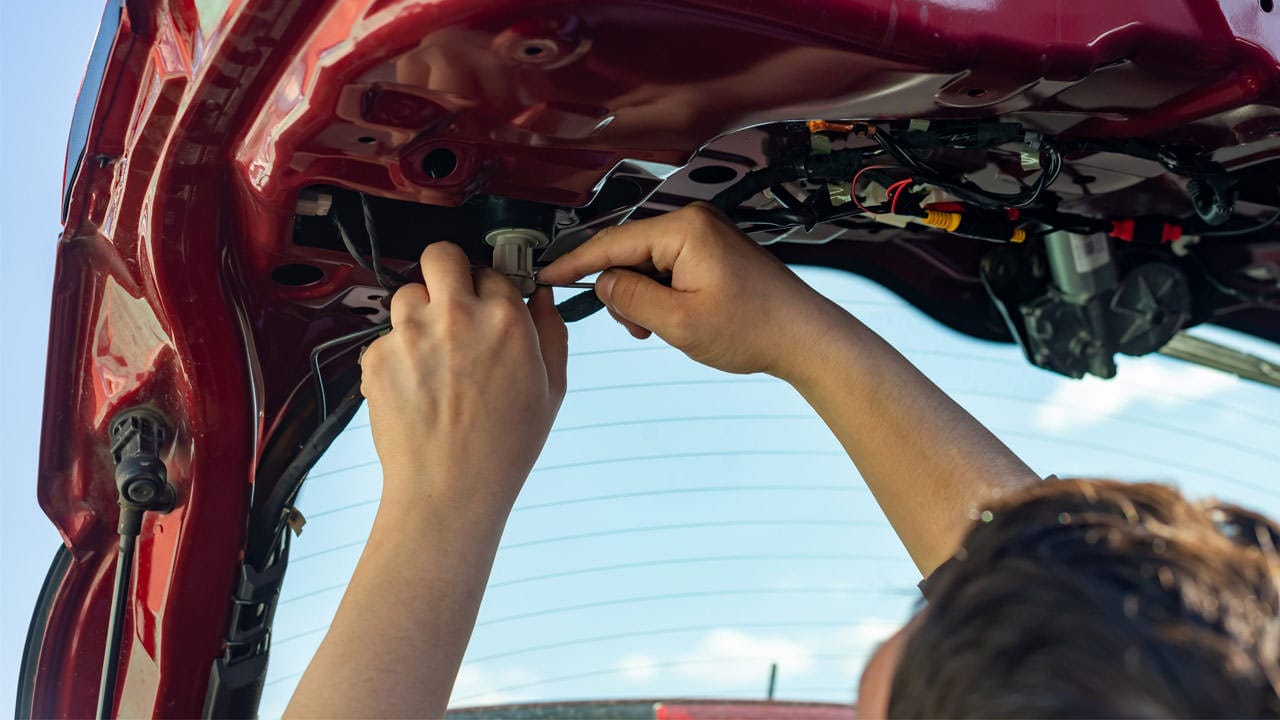
OEM connector-level repair can mean:
- Faster turnaround
- Targeted replacement
- Better estimate approval
- Reduced supplement risk
Shops that can repair what is damaged (and only what is damaged) are operating more efficiently.
This is where having quick access to the exact OEM connector matters.
Many technicians use resources like FindPigtails.com to source the correct replacement connector without waiting on full harness assemblies, keeping repairs moving while staying OEM-aligned.
What This Means for Collision Shops Moving Forward
Electrical repair is no longer a niche.
Shops that adapt will see:
- Faster approvals
- Fewer supplements
- Cleaner insurer relationships
- Reduced comeback risk
- Higher-quality repairs
Shops that overlook connector-level damage may face:
- Calibration failures
- Diagnostic bottlenecks
- Extended cycle times
- Increased liability
The collision industry is moving toward electrical precision, and connector integrity is now part of delivering a safe repair.
Final Takeaway: Wiring Repairs Are Now Front and Center
Insurance adjusters are flagging more wiring repairs because vehicles are no longer mechanical-first.
They are safety systems, sensor networks, and data-driven platforms.
A single connector can impact:
- Lighting
- Cooling
- Radar
- Cameras
- Emergency braking
- Customer trust
The shops that treat connectors as mission-critical components will lead the next era of collision repair.
Technician Note
If your shop is handling more electrical work than ever, having fast access to OEM connector replacements can protect both repair quality and insurance timelines.
FindPigtails.com helps technicians identify and source the right connector quickly, without replacing more than necessary.