

How to Write Electrical Supplements That Actually Get Paid: A Guide for Collision Estimators

The Two-Day Delay That Costs You Every Time
You've got a 2018 Honda Accord on the rack. Front-end hit, moderate damage. Bumper's off, and your tech finds what you knew was coming: three sensor connectors with cracked housings and visible corrosion. The camera connector, the radar module pigtail, and a park assist plug. All three need replacement.
You write the supplement. Two days later, it comes back with questions. "Why can't these be cleaned?" "Can you provide documentation that replacement is necessary?" "Please submit photos showing the damage."
Another day gone. Another email chain. Another delay while the car sits and the rental clock runs.
This happens because most electrical supplements are written the same way body-damage supplements are. But insurance adjusters can't see electrical damage the way they can see a bent frame rail. They need different information, presented differently, to quickly approve these supplements.
Here's how to write electrical supplements that get paid on the first submission.
What Insurance Adjusters Actually Need to See
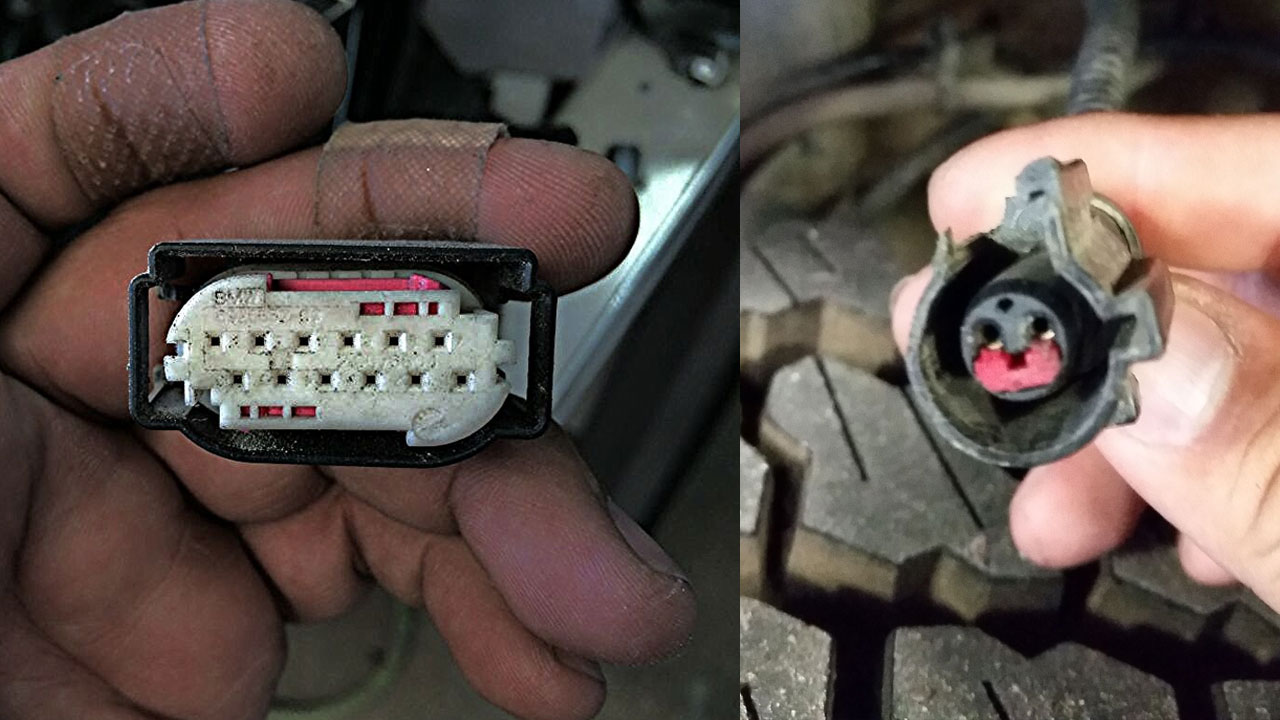
The fundamental problem with most electrical supplements is that they assume the adjuster understands automotive electrical systems. They don't. Most adjusters came up through body work or general estimating. They can assess sheet metal damage instantly, but a damaged connector looks like a small plastic part that might be cleanable.
Your job is to make the damage obvious and the repair necessary clear.
Start with the Location
Don't write "replace damaged connector." Write "replace front bumper radar sensor connector (located behind center grille, part number 39770-TBA-A01)." A specific location and an OEM part number immediately establish legitimacy. It tells the adjuster this isn't a generic parts-bin item.
Describe the Failure Mode
Insurance companies approve repairs when they understand why something can't be fixed more cheaply. A statement like "connector housing cracked" doesn't explain why you can't just tape it. But "connector housing cracked at pin retention area, unable to maintain proper pin contact, causing intermittent sensor signal loss," explains the functional failure.
The key phrase is "unable to maintain proper contact" or "prevents proper sealing." Those phrases communicate that cleaning or temporary fixes won't work.
Connect It to the Collision
If you're supplementing for a connector that's nowhere near the impact area, explain the connection. "Technician observed corroded terminals on the rear lamp connector during quality inspection. Corrosion pattern consistent with water intrusion from a damaged taillight seal caused by impact. Connector requires replacement to ensure proper function after lamp assembly replacement."
That narrative connects the dots. The impact damaged the seal. Water got in. The connector corroded. Now you're fixing the downstream damage.
The Photo That Sells the Supplement
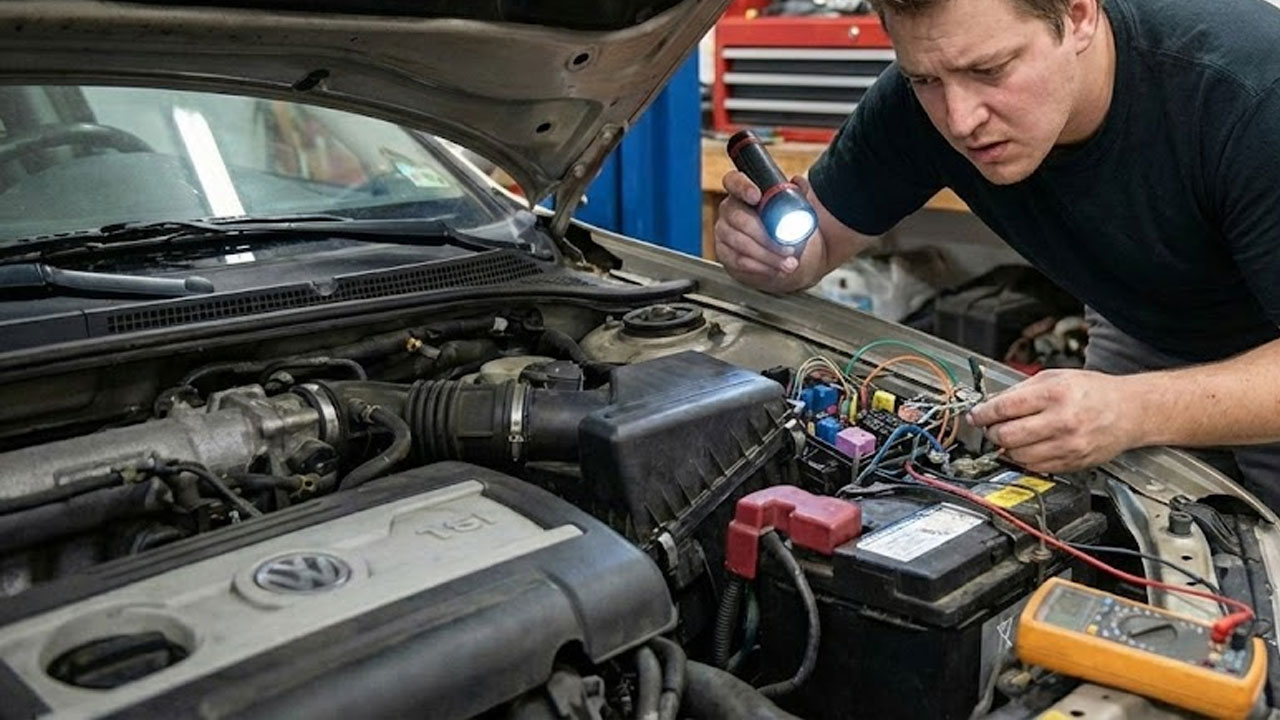
Bad electrical supplement photos show a connector sitting on a workbench under shop lighting. The adjuster sees a plastic part that looks fine.
Good electrical supplement photos tell a story.
Photo 1: The Installed Location
Take the first photo with the connector still in the vehicle, showing where it lives and how it connects to the damaged area. This establishes context.
Photo 2: The Close-Up Damage
Remove the connector and photograph the specific damage. Get close enough that the adjuster can see the cracked housing, the corroded pins, the compromised seal. Use a clean background so the damage stands out.
Photo 3: The Terminal/Pin Detail
If the pins are corroded or bent, photograph that specifically. Green corrosion on copper terminals is visible and obvious. A bent pin is visible and obvious. These photos answer the "why can't you clean it?" question before it gets asked.
Photo 4: The Comparison (When Possible)
If you're replacing multiple connectors and one is in good condition, photograph the good one next to the damaged one. Side-by-side comparison makes the damage undeniable.
The Narrative That Closes the Deal
The supplement narrative is where most estimators lose the approval. They write technical descriptions that adjusters don't understand, or they write vague descriptions that don't justify the cost.
The winning narrative follows a simple structure:
What We Found: "During disassembly of front bumper cover, technician identified cracked housing on radar sensor connector."
Why It Happened: "Impact force transmitted through bumper mounting brackets caused a stress fracture in the connector body at the pin retention point."
Why It Must Be Replaced: "Crack compromises weather sealing and pin retention, preventing reliable sensor operation required for ADAS functionality."
What We're Doing: "Replace radar sensor connector with OEM pigtail (P/N 39770-TBA-A01), includes proper terminal crimping and sealing per manufacturer repair procedures."
This structure gives the adjuster everything they need. Cause, effect, necessity, solution. It's fact-based, specific, and professional.
Common Mistakes That Kill Electrical Supplements
Mistake 1: Grouping Multiple Connectors Into One Line
Don't write "replace three damaged connectors, $350." Write three separate line items with three separate narratives and three separate photos. Each connector gets its own documentation.
Mistake 2: Using Generic Descriptions
"Electrical repair" tells the adjuster nothing. "Replace front camera 4-pin connector with OEM pigtail, includes de-pinning, terminal replacement, and heat shrink sealing" tells them exactly what work you're performing.
Mistake 3: Not Mentioning OEM Procedures
When available, reference the OEM repair procedure. "Per Honda service bulletin, damaged sensor connectors must be replaced with OEM pigtails to maintain proper ADAS function." That sentence transforms your supplement from "shop wants more money" to "shop following manufacturer requirements."
Mistake 4: Waiting Too Long to Submit
Submit electrical supplements as soon as damage is identified during teardown, not after you've already ordered parts. Early submission gives the adjuster time to review before the repair is delayed.
Why This Matters More Now
Electrical supplements aren't decreasing. They're increasing. Modern vehicles have sensor networks throughout the structure. A moderate front-end hit that used to involve five connectors now involves twelve. A rear-end collision that used to damage tail light wiring now affects backup cameras, parking sensors, blind spot monitors, and rear cross-traffic systems.
As vehicle electrical complexity increases, so does the frequency and cost of electrical supplements. Shops that master the documentation process have a competitive advantage. They get supplements approved faster, maintain better cycle times, and avoid the delays that hurt customer satisfaction and rental costs.
Insurance companies aren't trying to deny legitimate repairs. They're trying to verify that the work being claimed is actually necessary. When you give them the information they need in a format they can quickly evaluate, approvals happen.
The Connector Repair Advantage
Here's something worth considering as you refine your supplement process: the fastest electrical supplements to get approved are connector replacements rather than full harness replacements.
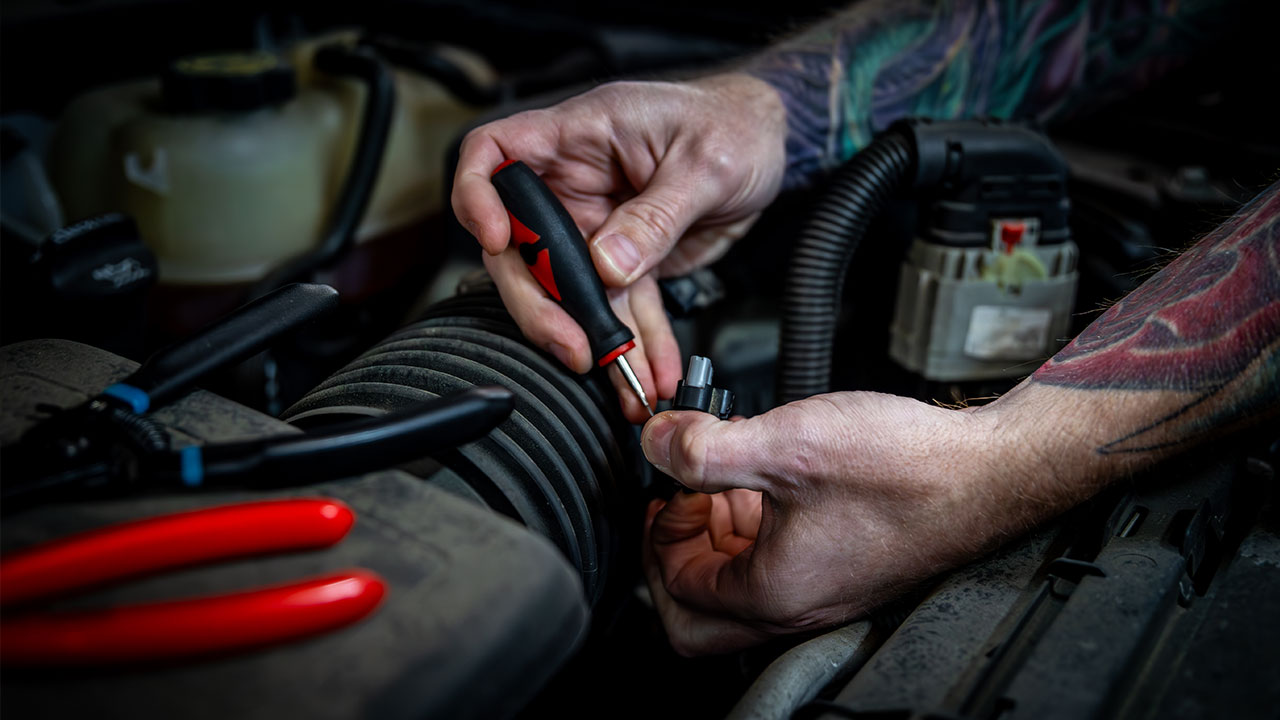
When you supplement for a complete harness section, adjusters see big numbers and start asking questions. When you supplement for specific connector repairs with OEM pigtails, adjusters see targeted repairs that match the visible damage. The cost is reasonable, the scope is specific, and the approval comes faster.
This is why more estimators are working with shops that have moved to connector-level repair capability. When your tech can identify the exact damaged connector, source the specific replacement pigtail, and complete the repair without waiting for dealer-harness deliveries, your supplement documentation becomes simpler and more defensible.
The electrical complexity of the collision repair industry isn't going away. The shops and estimators who figure out how to document these repairs properly and execute the work efficiently are the ones who'll maintain their cycle times as vehicles get more complicated. Good supplement writing isn't about gaming the system. It's about clearly communicating legitimate repair needs in language that insurance professionals can quickly evaluate and approve.
And when you need to back up those supplements with quality parts that arrive fast, having access to FindPigtails.com for comprehensive connector inventories makes the whole process smoother. Whether it's a common sensor pigtail or an unusual connector on a 2009 Genesis sedan, knowing you can source the exact OEM part quickly means your supplement timelines stay tight, and your documentation stays accurate. That's the difference between supplements that sit pending for days and supplements that get approved and completed while the job keeps moving.