

Connector Corrosion: What It Really Looks Like and Why It Spreads
Corrosion is one of the most misdiagnosed problems in automotive electrical repair. Not because techs do not know what it is, but because by the time it shows up as a symptom, it has usually been spreading for months. A shop sees an intermittent fault, pulls codes, replaces a sensor, and sends the car back out. Three months later, the same vehicle is back with the same complaint. The connector was the problem the whole time.
Studies have found that 30% of vehicle electrical failures in coastal regions stem directly from corroded connectors. But corrosion is not just a coastal problem. Road salt, humidity, heat cycling, and engine bay conditions create the same environment on vehicles across every climate zone. The difference is the timeline, not the outcome
What Causes Corrosion to Start
Three things drive the vast majority of connector corrosion across all makes and models.
Moisture is the primary trigger. When it infiltrates connector housings, it creates an environment where metal terminals oxidize and develop resistance. This process accelerates in vehicles exposed to road salt, coastal environments, or frequent washing. Once moisture gets in, it does not just sit there. It travels.
Heat is the second major factor. Engine bay temperatures can exceed 200 degrees Fahrenheit during normal operation, causing plastic housings to become brittle and terminal springs to lose their tension. Housing that has become brittle from repeated heat cycles no longer seals as it was designed to. That opens the door for moisture on the next rain or wash.
Vibration is the third driver. Engine operation creates continuous vibration that causes terminals to work loose from their housings over time, while road conditions add additional stress throughout the harness. Research has confirmed that vibration-induced fretting wear causes plating delamination on terminal surfaces, exposing the base metal and initiating oxidative corrosion. The combination of vibration wear and heat-accelerated oxidation is identified as the root cause of accelerated connector degradation.
These three factors rarely act alone. On most vehicles showing corrosion damage, all three have been working together for a long time before anyone noticed.
Where It Shows Up First by Vehicle Zone
Corrosion does not spread evenly across a vehicle. Certain zones take the most abuse and show damage first.
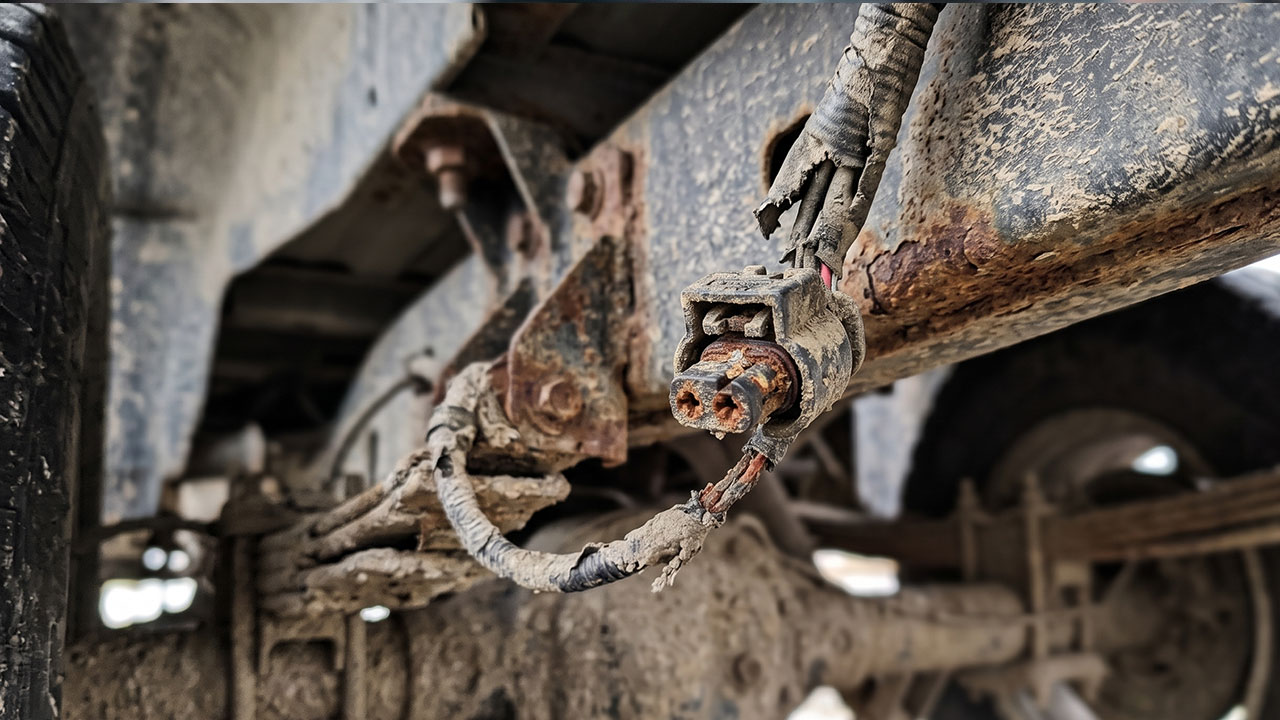
The underbody and wheel wells are ground zero on most platforms. Connectors in these areas deal with direct road salt exposure, standing water, and mud intrusion on every drive. On the Ford F-150, corroded connectors under the driver's side door are a well-documented issue, particularly on models exposed to the elements. On GM trucks, including the Chevrolet Silverado, oxygen sensor connectors routed close to the exhaust manifold are a recurring problem. The protective loom becomes brittle over time, leading to melted or frayed wires, and connectors fill with dirt, oil, or corrosion that interrupts the signal. Yorkdale FordGo-Parts
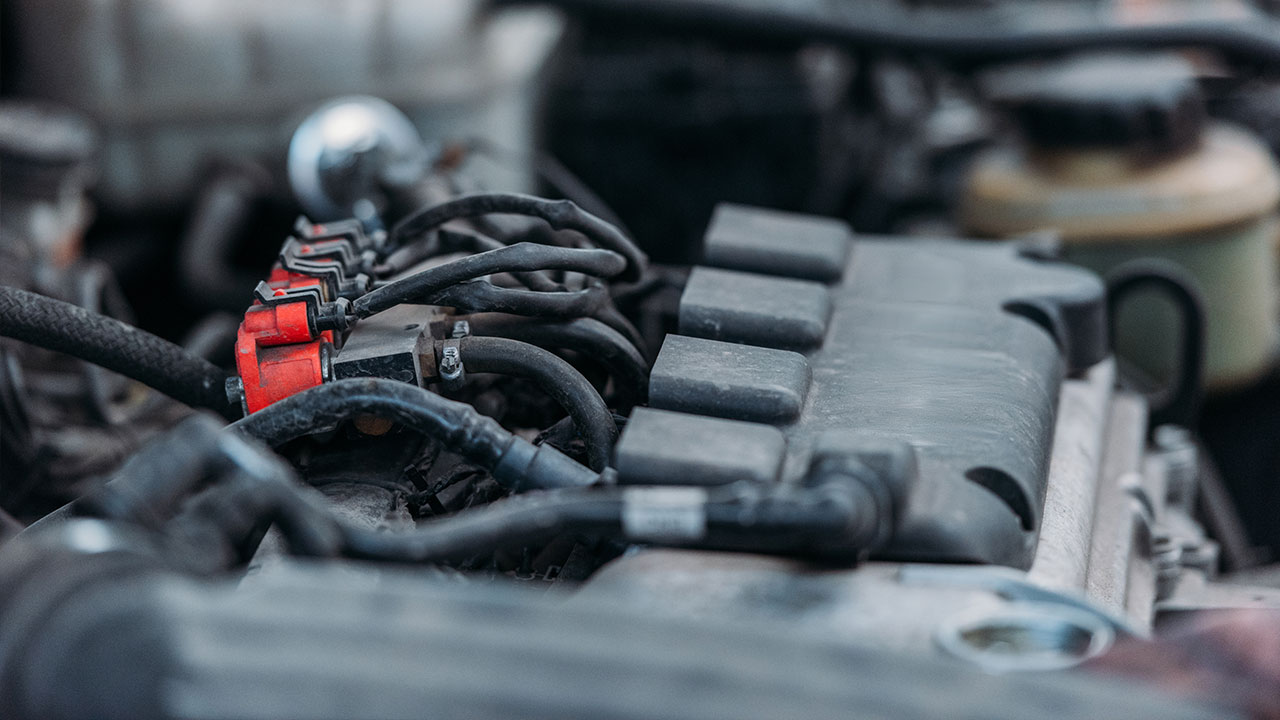
The engine bay is the second-highest-risk zone. Heat cycling degrades housing integrity, and moisture from condensation and rain finds its way into any connector that is no longer sealing properly. Oxygen sensor pigtails on Toyota Corollas, Honda Civics, and Nissan Altimas consistently appear in this category, typically due to sustained heat exposure rather than a design flaw. The connector location near the exhaust puts it in one of the highest-temperature zones on the vehicle.
Door jamb and body connectors take a different kind of abuse. These connectors flex every time a door opens and closes. Door harness connectors are among the most common trouble spots on the F-150 specifically, because the flex point where wires enter the door creates repeated stress on the terminals inside. On the 2018 F-150, moisture infiltrating sealed connectors behind the vehicle's rear caused backup camera failures and required full harness replacements at dealers, with repair costs exceeding $500 in many cases. A proper pigtail repair on the damaged connector end would have resolved the same issue at a fraction of that cost.
What the Stages Actually Look Like
Early-stage corrosion is easy to miss because it hides inside the connector housing. The outside of the connector looks fine. The terminal faces may show a faint discoloration or a light film, but nothing that screams "problem" on a quick visual inspection. This is the stage where an intermittent fault shows up on a scan tool, the tech clears the code, and the vehicle comes back.
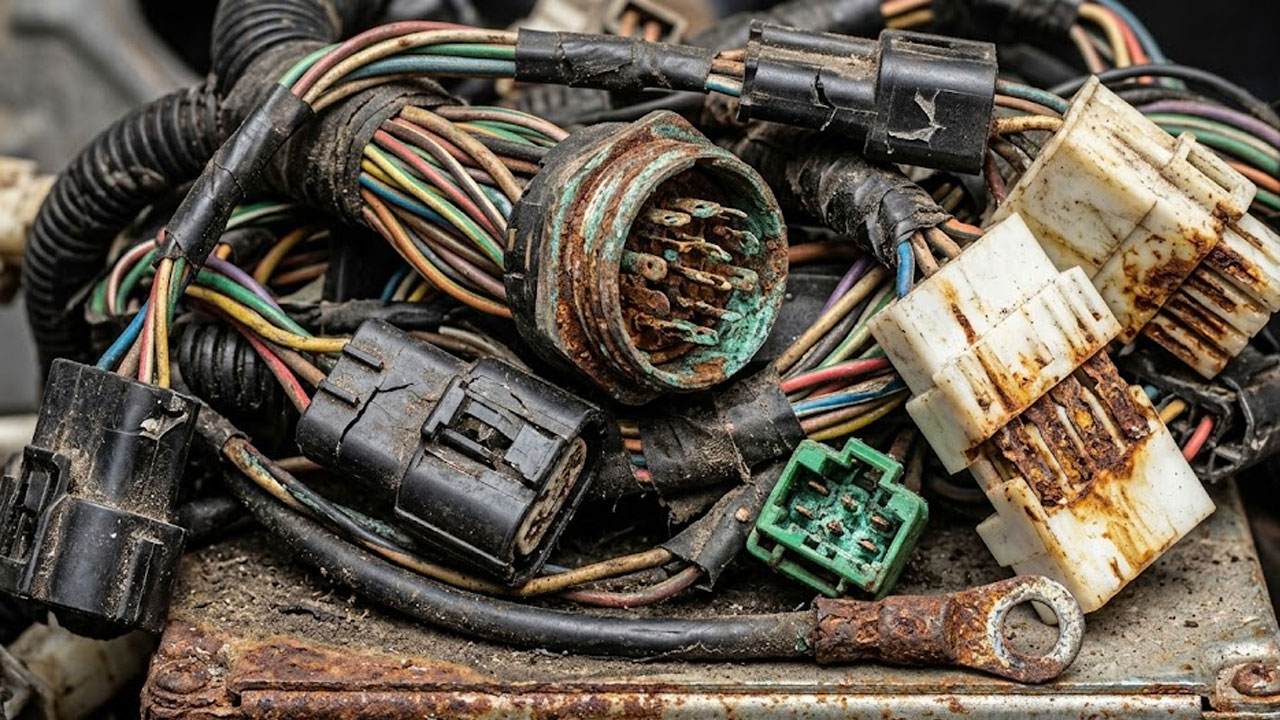
Mid-stage corrosion is where the green starts. Green or white powdery buildup on the terminal faces is oxidized copper, and it indicates that the circuit resistance has already climbed. On GM pigtails, green or white buildup at the connector pins is a confirmed indicator of moisture intrusion and should be addressed immediately rather than cleaned and reassembled. Cleaning at this stage can buy time, but it rarely holds in the long term. The housing integrity is already compromised. JustAnswer
Advanced corrosion has traveled up the wire. The terminal is beyond cleaning, the housing may be cracked or discolored from heat, and the wire insulation closest to the connector shows brittleness or discoloration. At this stage, the corrosion has already moved into the harness, and a pigtail repair needs to address enough wire length to get past the damage.
Repair vs Replace: Making the Right Call
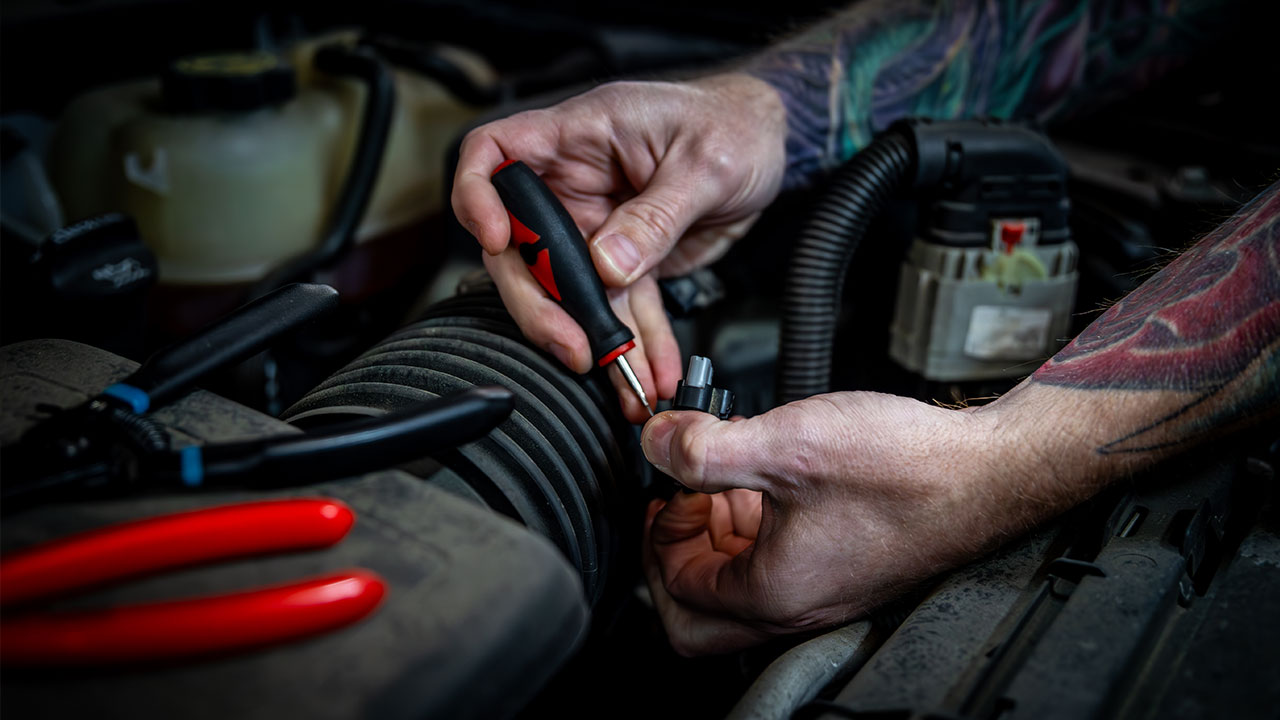
Modern vehicles can have 100 or more electrical harness connectors across every operating system. Terminal tension weakens with time, and corrosion within the connector housing makes replacement necessary. The question is not whether to address it, but how far back to go.
A connector showing early- to mid-stage corrosion on the terminal faces with an intact housing and no wire damage is a cleaning candidate if the housing still locks and seals properly. Anything beyond that is a pigtail replacement. Housing that no longer seals, terminals that have lost spring tension, or brittle wire insulation within a few inches of the connector all point to a pigtail swap as the correct fix.
The repair needs to match the spec of the original. Approved wire termination methods must be followed to ensure a successful and long-term solution. A failed terminal connection, terminal corrosion, or damaged wire results in an electrical system fault. That means the right wire gauge, the correct terminal style, and a housing that actually seals the repair from the next round of moisture exposure.
If you are dealing with a corroded connector and need the right OEM-style pigtail, snap a photo and send it to FindPigtails.com or search by vehicle and application. The team will confirm the right fit before anything ships.