

How to Stock Your Shop for Faster Electrical Repairs
Every shop has that moment. The vehicle is on the lift, the diagnosis is done, and the fix is simple: a damaged connector needs to be replaced. Except nobody has the right pigtail on hand, so the job stalls while someone places an order and waits. Electrical connectors are responsible for 23% of unplanned equipment downtime across industries that rely on them, and in a shop, that downtime is not abstract. It is a bay sitting idle and a customer asking why the car is not ready.
The fix is not complicated. It is stocking the connectors that actually fail most often, before the job shows up rather than after.
Why the same failures keep showing up
Connector failures follow patterns, and the patterns are well understood by anyone who has spent enough time under the hood. Engine vibration works terminals loose from their housings over time, and road conditions add additional stress on top of that. Heat cycles in the engine bay break down plastic housings until they crack or lose their grip on the terminals inside. Moisture and road salt get into connectors that sit low or near the wheel wells, and once corrosion starts, it climbs the wire and kills the connection from the inside out, often well before it shows up as an obvious symptom. Fortune Business Insights
This is why certain circuits fail more than others, almost regardless of make. Oxygen sensor connectors live in one of the hottest, most vibration-heavy zones on the vehicle, right at the exhaust. AC compressor connectors are subject to constant cycling and engine-bay heat every time the system kicks on. Headlamp and taillamp connectors are exposed to moisture whenever it rains, or the car goes through a wash. Body control module and ground connectors get overlooked until an intermittent electrical gremlin sends a tech chasing the wrong circuit for an hour. Once you have seen the pattern across enough vehicles, the list of usual suspects becomes pretty short and pretty predictable.

Stocking by platform: American, European, and Japanese
The connectors that fail most often are not identical across every brand, because connector styles, wiring architecture, and platform design vary by manufacturer. A stocking list that works for one shop's typical vehicle mix might leave another shop short on exactly the part they need most.
American platforms, Ford, Chevy, and Ram especially, tend to show up often for trailer wiring connectors, body control module connectors, and the larger gauge connectors used in trucks that see real towing and work duty. These vehicles also rack up high mileage in commercial use, which means more wear cycles on connectors that were already working hard. If your shop sees a steady stream of F-150s, Silverados, and Rams, those are worth keeping stocked specifically rather than ordering one at a time as the jobs come in.
European platforms bring a different set of common failures. BMW, Mercedes, and Audi use a lot of smaller, higher pin count connectors tied to more complex electrical architecture, things like door module connectors, sensor connectors with tighter tolerances, and multiplexed wiring harnesses where one bad connection can cascade into symptoms on completely unrelated systems. These connectors also tend to be more expensive and slower to source last minute, which makes stocking them ahead of time even more valuable than it is on a domestic platform.
Japanese platforms, Toyota, Honda, and Nissan, are generally known for strong connector reliability, but certain circuits still fail consistently across the board. Oxygen sensor and EVAP system connectors are common across Corollas, Civics, and Altimas alike, often due to sustained heat exposure rather than any design flaw. Mass airflow sensor connectors and certain body harness connectors also show up often enough on these platforms to justify a spot on the shelf.

Building a list that matches your bay, not someone else's
The smartest way to stock is to look at your own repair order history rather than guessing or going off a generic list built for someone else's shop. Pull the last six months of electrical repairs and look for the pattern. If your shop runs a lot of late-model trucks, your stocking list should look very different from a shop that mostly sees Japanese sedans or European imports. Most shops find that five to ten connector types account for the vast majority of their electrical repair volume, which means the inventory investment to address this problem is smaller than it sounds.
A simple way to start:
- Pull your most common vehicle makes from the last several months of repair orders
- Cross-reference those against the circuits that come up again and again: oxygen sensors, AC compressor, headlamp, body control module, grounds
- Stock those specific connectors first, then expand from there as new patterns show up
Skip the guesswork with a prebuilt kit
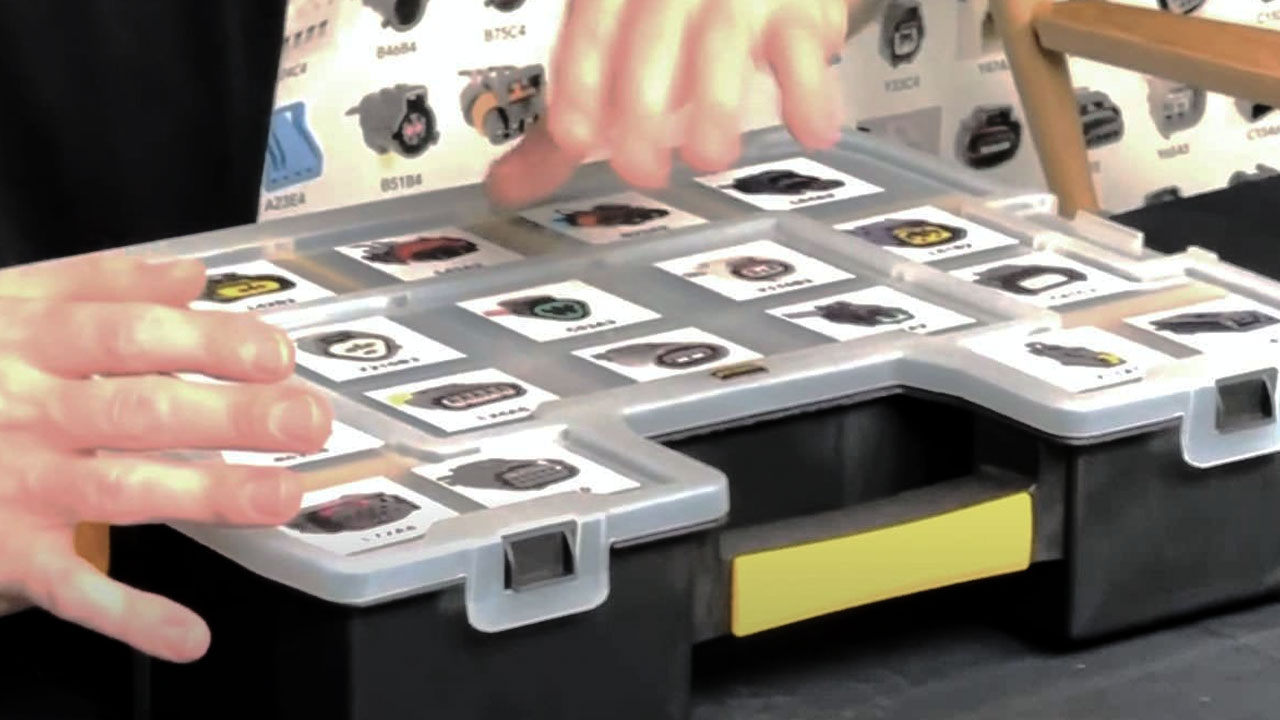
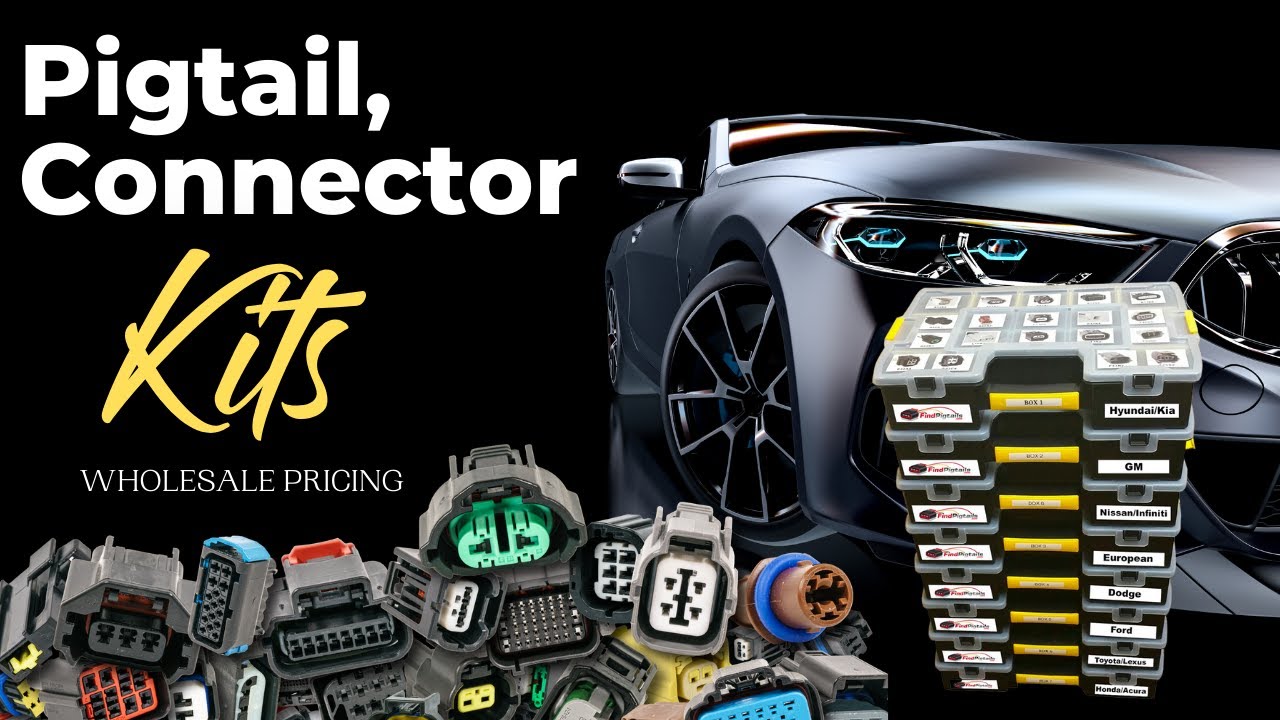
Building this list from scratch takes time most shops do not have, and most techs would rather spend that time on the lift than digging through old repair orders. FindPigtails offers connector kits designed to address exactly this problem. Best-selling kits cover the most commonly needed connectors across all platforms, a fast way to get broad coverage without doing the research yourself.
If your shop leans heavily toward one platform, manufacturer-specific kits are built around the most common pigtails for that brand specifically, whether that is Ford, Toyota, Honda, Chevy, or another make your bay sees most often. And if neither fits exactly what you need, a fully custom kit can be built around your shop's actual repair history. Tell the team what you see most: American, European, Japanese, or a specific manufacturer, and the kit gets built around that instead of you trying to guess at it.
Why this matters more than it seems
Stocking smart is not about predicting every possible failure. It is about covering the ones that show up again and again, so the next time a connector job lands on the lift, the part is already on the shelf instead of three days out on a backorder. That is the difference between a same-day repair and a comeback customer wondering why their car is still in the shop a week later.

Why FindPigtails
Most suppliers sell you a connector. FindPigtails builds the inventory strategy around how your shop actually works, which platforms you see, what fails most often, and what you need on hand before the next job hits the lift. That is the difference between buying parts one at a time and never running into this problem in the first place.