

ADAS Recalibration Now on 35% of Collision Repairs: How Rising Complexity is Reshaping Shop Operations in 2026

The ADAS Revolution: How One Statistic Changed Everything for Collision Shops
Remember when a bumper replacement was just a bumper replacement? Those days are gone, and the numbers prove it.
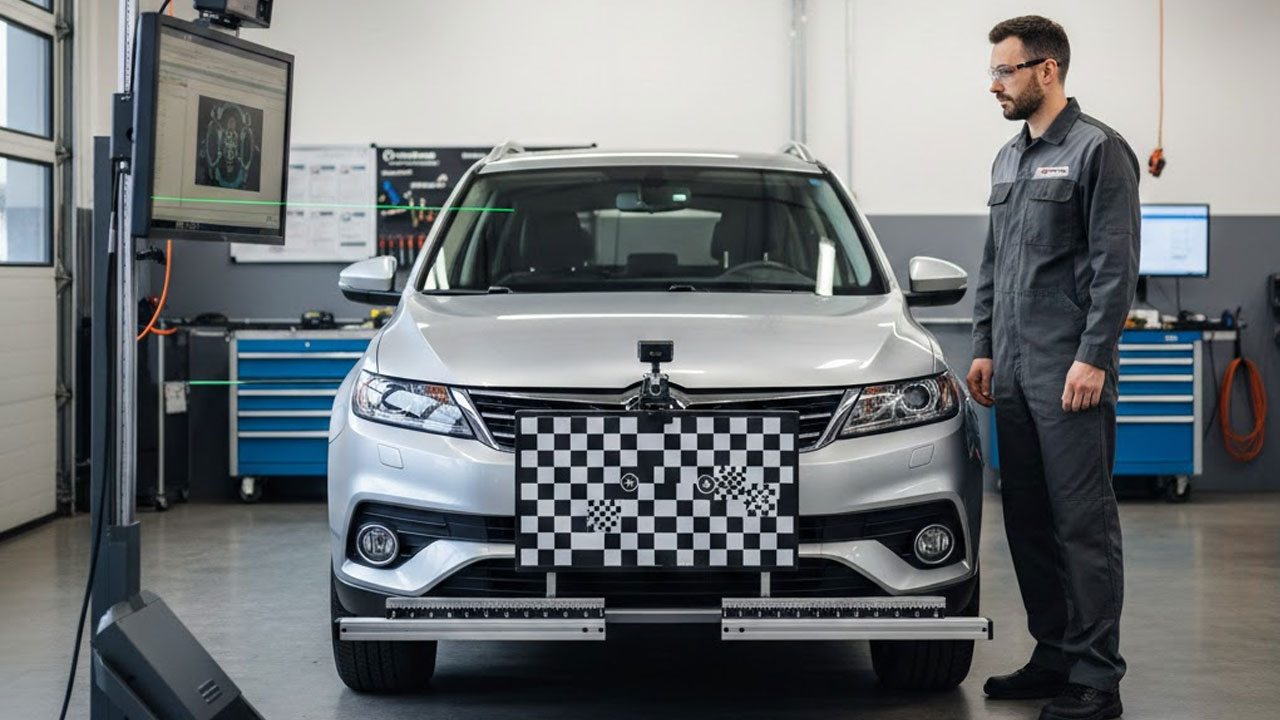
CCC Intelligent Solutions just released data confirming what every shop owner has been feeling in their gut: ADAS recalibration now shows up on 35.6% of collision repair estimates. A year ago, it was 26.9%. Five years ago, most shops didn't even own calibration equipment. And the cost? We've gone from $250 average calibrations to $500, and climbing.
If you're an automotive electrical specialist or you run a collision shop, you already know this isn't just about adding a line item to estimates. This is about how vehicles come apart, how long they sit in your bays, and whether you're equipped to handle what rolls through your doors tomorrow morning. The 2019 Camry that needs a front bumper isn't just sheet metal and paint anymore. It's a rolling sensor network that won't let the customer drive off your lot until every camera and radar unit knows exactly where it's pointing.
The real question isn't whether this complexity is coming. It's already here. The question is whether your shop is set up to handle it without bleeding days from your cycle time or bleeding margin from your bottom line.
The Numbers Behind the ADAS Surge: What the Data Actually Means for Your Shop
Let's break down what these statistics look like when they hit your production board.
That 35.6% calibration rate? It means roughly one out of every three cars in your shop right now needs calibration work. Last year, it was one in four. Next year, industry analysts are projecting it'll be close to one in two. The math is pretty straightforward. If you're running 50 repairs a month, you're looking at 15-20 calibrations. At $500 a pop plus the time investment, that's serious revenue if you can handle it in-house. It's a serious loss of opportunity if you're subletting it out.
Here's where it gets painful: only 44% of shops currently have ADAS calibration capability. That means more than half the industry is farming this work out, coordinating with sublet vendors, and watching vehicles sit because the calibration schedule doesn't line up with their workflow. Your customer doesn't care that the calibration shop can't get to it until Thursday. They just know their car's been in your shop for eight days on a job you quoted at four.
The cycle time impact is the real killer. ADAS calibration adds 3-5.5 days on average. Not hours. Days. You've got a car wiring harness repair that should take two hours, but now you're looking at nearly a week of total cycle time because calibration procedures can't be rushed. Your rental car costs are piling up, your customer satisfaction scores are dropping, and your insurance partners are asking questions.
And here's the kicker: 61% of vehicles coming through collision repair actually need calibration based on the work being performed, but not every shop catches it on the initial estimate. Miss it during tear-down, and you're writing a supplement. Write enough supplements, and you're getting flagged in DRP audits. It's a vicious cycle that starts with not understanding which repairs trigger calibration requirements.
The Insurance Pressure Point: Caught Between OEM Procedures and Payment Reality
Walk into any shop and ask the estimator about their last three ADAS supplements. You'll hear stories.
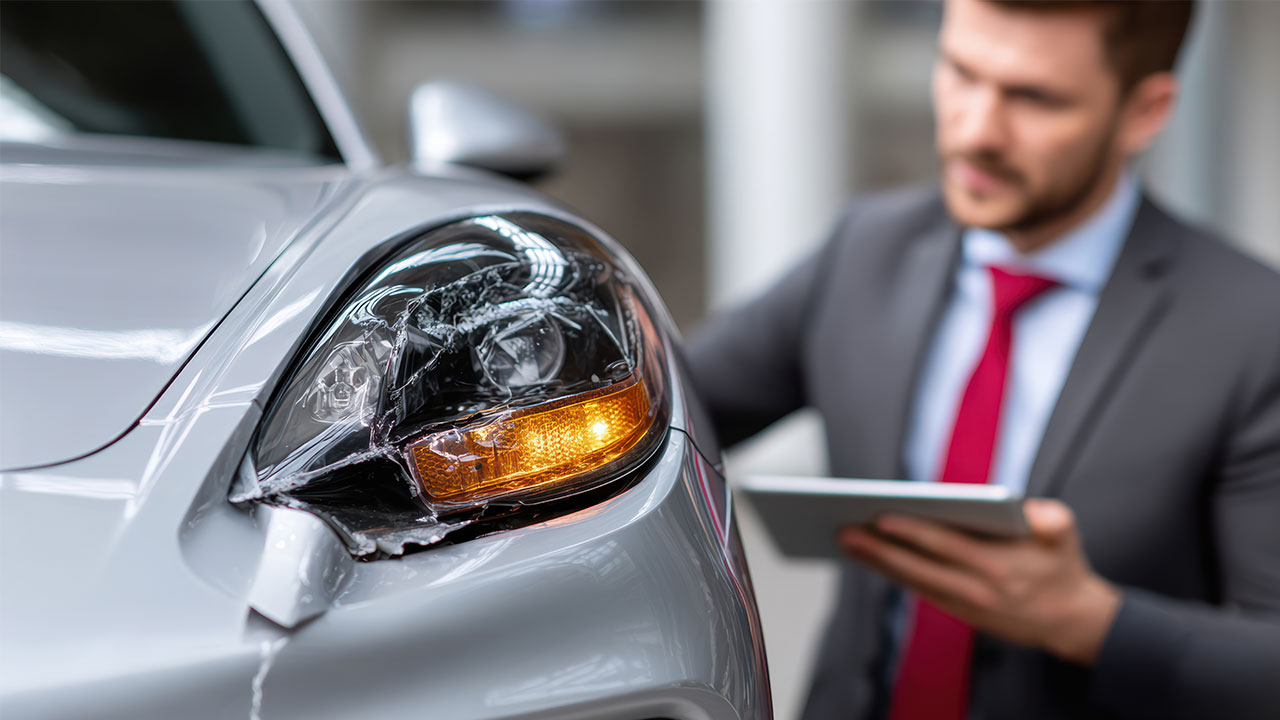
Insurance companies have access to the same databases and repair procedures you do. They know when a bumper replacement should trigger a camera calibration. They know when a windshield swap requires recalibration of the forward-facing systems. Their estimating software automatically flags these items. So when your initial estimate doesn't include calibration on a job that clearly needs it, the phone starts ringing before the car's even on the rack.
But here's the contradiction that's driving shop owners crazy: those same insurance companies that demand strict compliance with OEM procedures are pushing back hard on calibration costs. You invest $25,000 in a calibration system. You send your tech to training. You follow the OEM procedure down to the millimeter. Then you submit a bill for the time and expertise this actually requires, and you get resistance.
The documentation requirements have gotten absurd. Some carriers now want before-and-after scan reports, calibration completion certificates with serial numbers, photographs proving proper setup, and detailed explanations of why the calibration was necessary. For a shop running 20 calibrations a month, that's hours of administrative work that doesn't turn a wrench or move a car.
Then there's the electrical connector wire damage that nobody sees until the bumper's off. You're doing what looks like a straightforward replacement, and you find three sensor connectors that took impact damage. The housings are cracked, the pins are corroded, and the seals are compromised. Now you're writing another supplement for electrical repairs that weren't visible during the initial inspection. Stack that on top of the calibration supplement you already wrote, and your cycle time just jumped another two days waiting for approval.
It's no wonder shops are rethinking how they approach these repairs.
The Repair-First Response: Why Smart Shops Stopped Waiting on Parts
Talk to the shops that are actually hitting their cycle time targets in 2025, and you'll notice a pattern. They're not just buying calibration equipment. They're completely rethinking their electrical repair strategy.
The old playbook said: find electrical damage, order the harness section from the dealer, wait 3 days for it to arrive, spend 4 hours installing it, then move on to calibration. Total timeline? You're looking at seven to ten days minimum, and that's if the dealer actually has the part in stock.
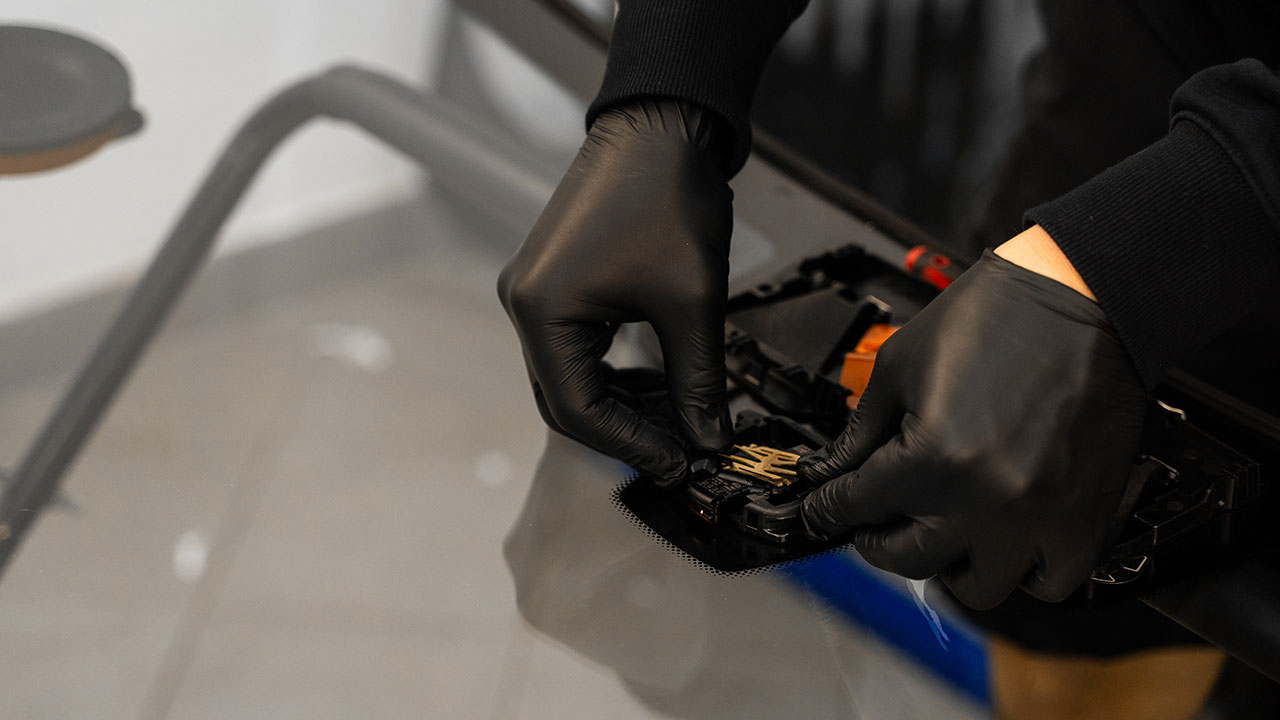
The new playbook looks different. When an auto electrical specialist finds connector damage, they repair it same-day or next-day with the right replacement connectors and walk the car straight into calibration. Total electrical repair time? Maybe 90 minutes. Total waiting-on-parts time? Zero.
Let me give you a real-world example. A 2009 Hyundai Sonata comes in with front-end damage. Moderate hit, nothing catastrophic. During disassembly, you find three damaged connectors: the front camera, the radar sensor, and a park assist connector. All three housings are cracked, and corrosion is starting on the terminals.
Under the traditional approach, you're ordering a front harness assembly. That's $800 in parts if you can even get it for a 2009 model. Many dealers don't stock harnesses for 15-year-old cars anymore. So you're waiting 5-7 days for a special order, then you're spending 8 hours on installation because you're running the entire harness. Then calibration. You're at 10-12 days total cycle time, and your rental bill is approaching four figures.
Under a repair-first approach, your automotive electrical specialist identifies the exact connectors needed, pulls them from inventory or gets them overnight, and repairs all three connections in about 90 minutes total. Proper crimping, heat shrink, and dielectric grease. Done right. The car moves to calibration on the same day. Your cycle time is 4-5 days instead of 12, your parts cost is $90 instead of $800, and your customers actually get their cars back when you said they would.
This works on newer vehicles too, but it's especially effective on those late-2000s, early-2010s models that are hitting peak collision volume right now. Genesis 2009 sedan, Hyundai Sonata 09, early Camrys with first-gen ADAS. These cars have connector damage all the time, and replacement pigtails are readily available. The connectors for automotive wiring on these vehicles follow standard configurations, which means you can stock the common ones and source the unusual ones quickly.
The shops that have figured this out aren't waiting anymore. They're equipped, they're trained, and they're keeping cars moving.
What This Means for Collision Shops in 2026
Here's what the collision repair landscape looks like going forward: technical capability is becoming the primary competitive differentiator.
You can have the best relationships with insurance companies, the nicest facility, and the most efficient paint booth. But if you can't calibrate ADAS systems and repair electrical damage efficiently, you're going to struggle. The work is becoming too complex for shops that do only one or the other.
Think about it from a workflow perspective. ADAS calibration and electrical repair aren't separate jobs. They're connected. Every sensor that needs calibration runs on electrical connections. If those connections are compromised, your calibration fails, or you get intermittent results that turn into comebacks three weeks later. A shop that can calibrate but can't properly repair wire connector types, wire terminals, and connectors is constantly at risk of calibration failures due to electrical issues it can't diagnose or fix in-house.
The training investment is real. You need techs who understand sensor technology, can work with electrical connector wire properly, know calibration procedures, and can troubleshoot when things don't go as planned. That's not entry-level knowledge. That's cross-disciplinary expertise that takes time and investment to develop.
But the payoff is equally real. Shops with both capabilities are completing jobs faster than their competitors. They're writing more accurate estimates because they know what they can handle in-house. They're avoiding the supplement delays that kill cycle time. And they're maintaining control over quality instead of trusting critical work to sublet vendors who may or may not share their standards.
The profit picture changes, too. Yes, ADAS adds costs, but it also creates opportunities for shops positioned to handle it efficiently. Insurance companies might push back on pricing initially, but they eventually recognize which shops consistently deliver quality work on time. Those shops earn pricing that reflects their actual capability, while shops still struggling with the basics get squeezed on labor rates.
Looking ahead, the EV transition will make electrical expertise even more critical. Electric vehicles and hybrids have electrical architectures that make current vehicles look simple by comparison. High-voltage systems, battery management connectors, and charging port electrical connections. These aren't systems you want your least experienced tech working on. The shops building serious electrical repair capability right now are setting themselves up for the next decade, not just next month.
The Connector Connection: The Trend Nobody Saw Coming
Here's something interesting that's happening behind the scenes: connector suppliers like FindPigtails.com are seeing collision shops become one of their fastest-growing customer segments. Five years ago, their customer base was mostly dealership parts departments and electrical specialty shops. Today, body shops are calling with technical questions about connector specifications, asking about overnight availability, and building standing inventories of common pigtails.
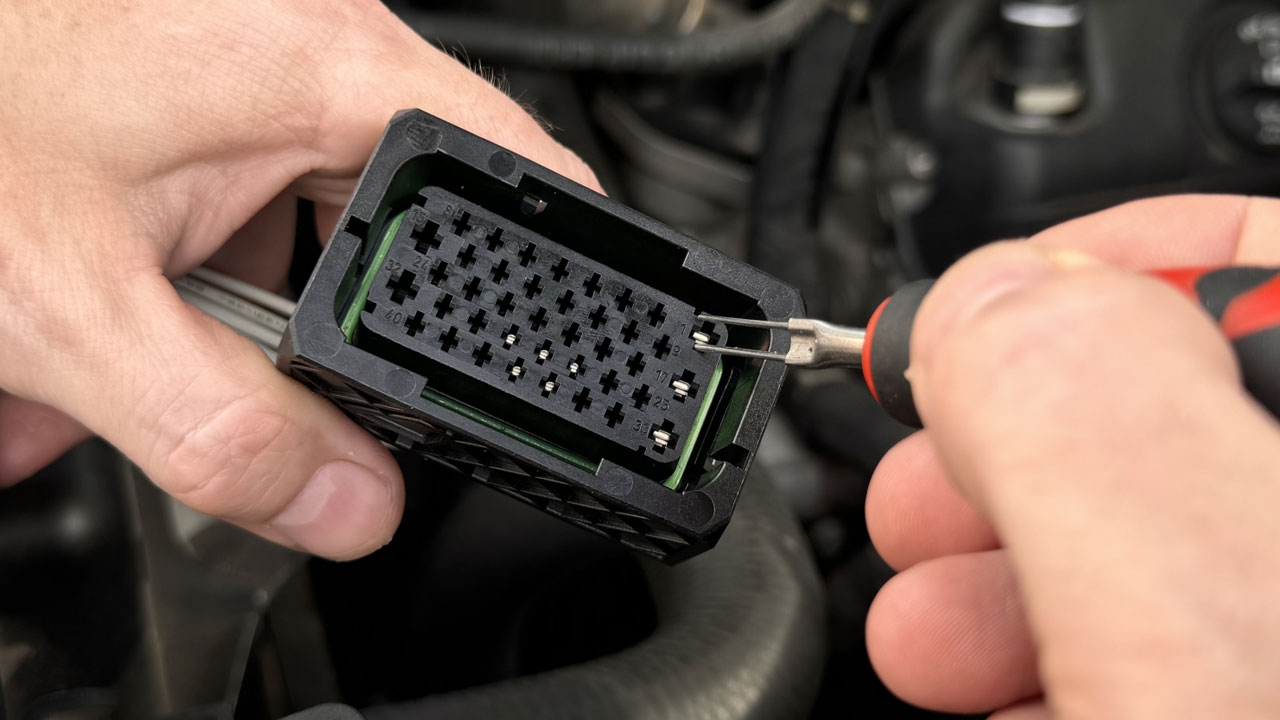
This isn't random. It's a direct result of shops realizing that electrical system integrity directly impacts their ADAS success rates. You can have the most expensive calibration equipment on the market, but if the sensor connector has a loose pin or a compromised seal, your calibration will fail. Or worse, it's going to pass initially and fail three weeks later when vibration works that loose pin completely out of position.
The shops that have gotten serious about this treat connector repair as a distinct capability that requires proper tools, parts, and technique. They're not twisting wires together and wrapping them with electrical tape. They're using OEM-spec connectors, professional crimping tools, adhesive-lined heat shrink, and dielectric grease. They're testing continuity and resistance before they call the job complete. They're documenting the repair for their records and for insurance purposes.
And they're seeing the payoff in reduced comebacks and faster cycle times. When you know you can repair connector damage same-day instead of waiting on parts for a week, your entire approach to scheduling changes. You're not holding bays open waiting for dealer deliveries. You're not coordinating with parts runners. You're fixing what needs fixing and moving to the next step.
This is why more shops are partnering with FindPigtails.com, which understands collision repair timelines and can deliver what's needed when it's needed. It's not just about having parts available. It's about having technical support when you run into an unusual connector configuration, it's about rapid identification when you're looking at a damaged connector you've never seen before, and it's about confidence that the replacement part meets OEM specifications.
The surge in ADAS complexity has fundamentally changed what "complete shop capability" means. It's not enough to be great at body repair or great at paint. The electrical side of collision repair has moved from occasional specialty work to core daily operation. The shops that understand this are building the capability now. The shops that don't are going to find themselves increasingly dependent on sublet vendors and struggling to hit the cycle times that customers and insurance companies expect.
This isn't fear-mongering or vendor hype. This is what's actually happening on shop floors across the country. The vehicles are more complex, the repair procedures are more demanding, and the shops succeeding are the ones that invested in the right capabilities before they absolutely had to.