

Parts Costs Are Up, and Supply Is Tight. Here Is How Shops Are Staying Ahead
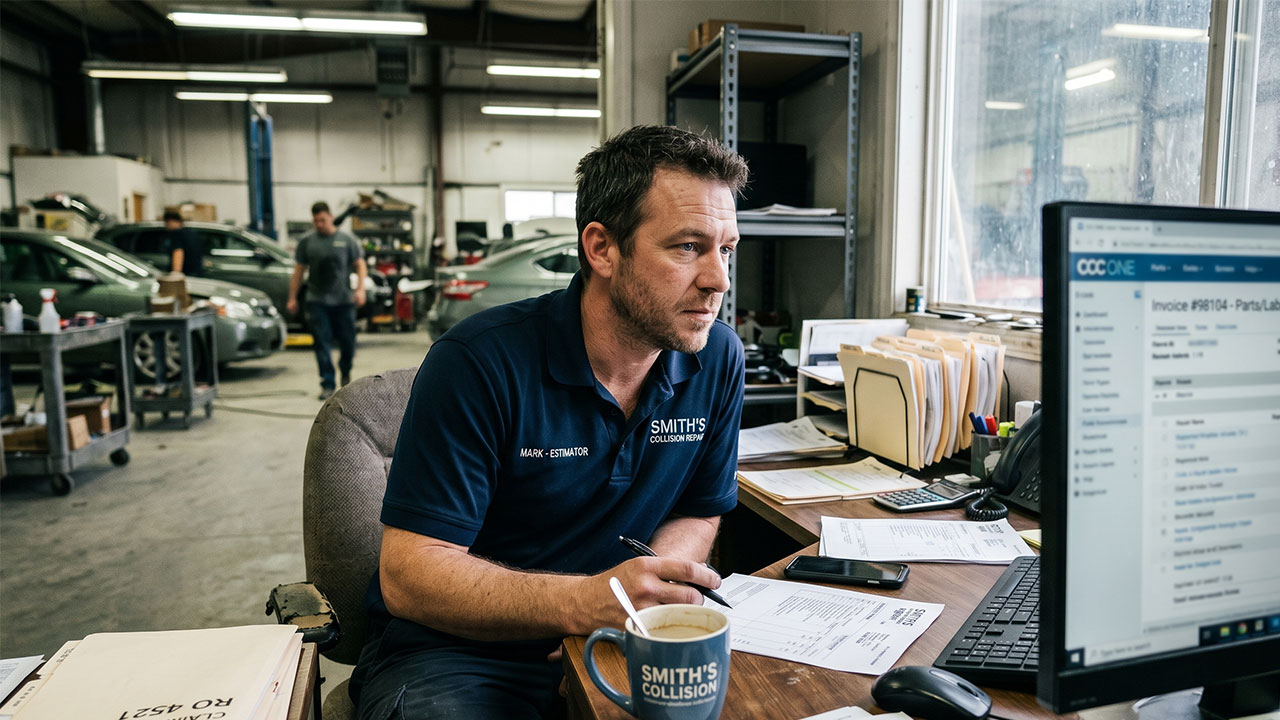
Nobody is pretending this is an easy parts environment right now. Prices are up, supply on certain items is still unpredictable, and every estimate is a negotiation between what the repair actually needs and what is actually available. If you are running a collision shop or writing estimates on the insurer side, you already know this. The question is what you can actually do about it.
Here is a straightforward look at what is driving the pressure, where the biggest pain points are, and a few things that are genuinely helping shops manage through it.
The Numbers Behind the Squeeze
The parts pricing problem is not one thing. It is several things stacking on top of each other at the same time.
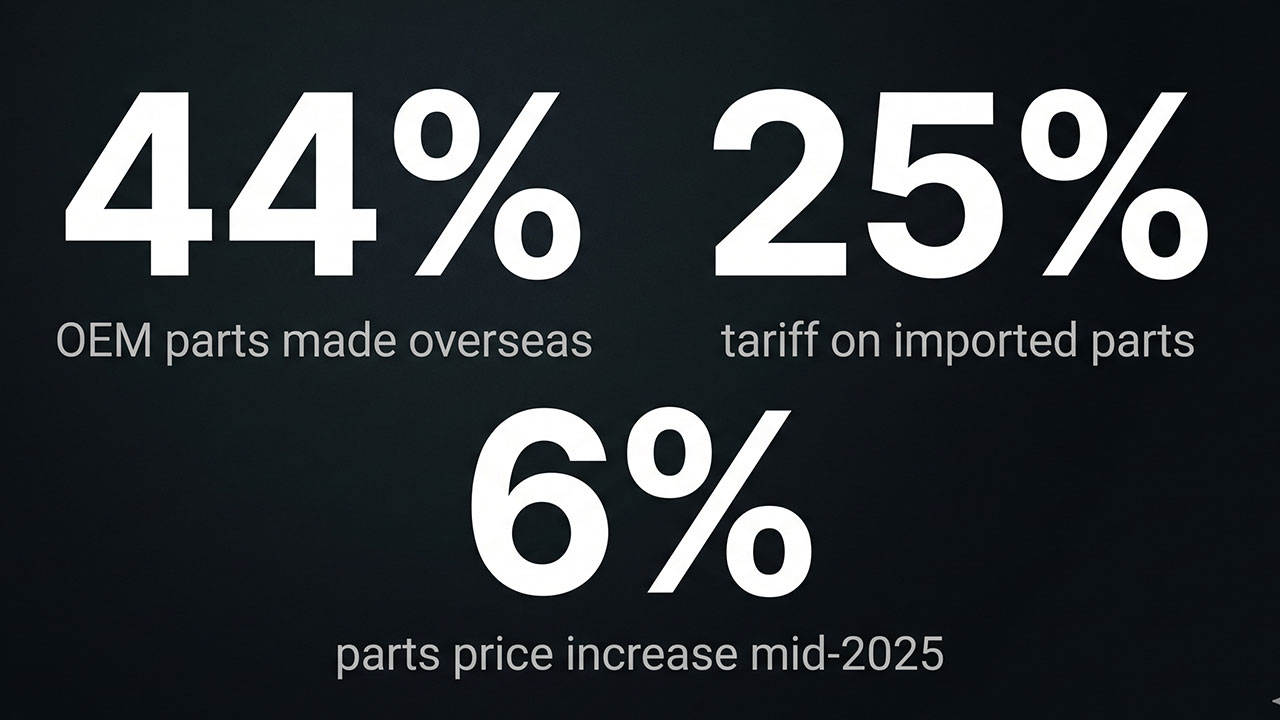
44% of OEM collision parts sold in the U.S. are manufactured overseas. Every tariff wave hits the repair side directly.
Parts prices climbed more than 6% in mid-2025, and the increases have not reversed. The 25% Section 232 tariffs on imported auto parts, which took effect in spring 2025, remain fully in place. You may have seen news about tariff refunds recently, but those apply to a separate group of IEEPA-based reciprocal tariffs that the Supreme Court struck down in February 2026. Collision repair parts fall under Section 232, which the court did not touch and which carries no refund pathway. Unlike parts used in new-vehicle production, replacement parts for collision repair do not carry any exemptions either. The full tariff hits the invoice.
Steel and aluminum, both critical raw materials for structural and body repair, are subject to 50% tariffs. Add in separate duties on semiconductors and European-sourced components, and you have cost pressure hitting from multiple directions at once. An April 2025 survey by market researcher IMR found that nearly 40% of all shops reported a direct tariff impact, and that number jumped to more than 70% among shops with eight or more bays.
The parts line on an average repair order is already about $100 higher due to existing tariffs, according to PartsTrader. That number is expected to climb as automakers begin passing costs across their broader global portfolios, not just on select models.
Where the Delays Are Hitting Hardest
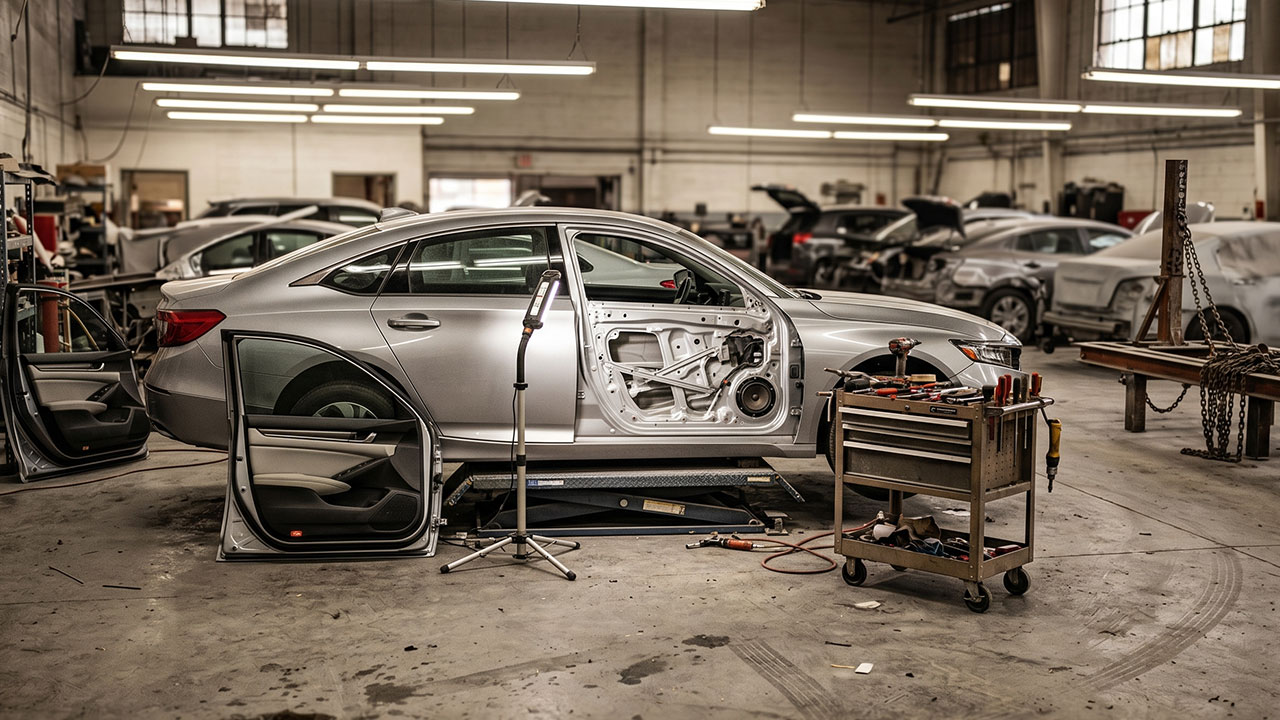
Pricing is one problem. Availability is another. The two do not always hit on the same job, but when they do, cycle time takes a real hit.
Electrical components and sensors
This is where shops are feeling the most unpredictable delays right now. Semiconductors used in ADAS sensors, control modules, and camera systems are caught between tariff pressure and a global DRAM shortage, driven in part by memory chip manufacturers shifting production toward AI data centers. A radar sensor or a camera module that used to be a two-day order can now be a week-plus wait on certain platforms, with no reliable ETA.
EV and late-model hybrid components
EV collision claims jumped 40% year over year in 2025, even as new EV sales dipped. More EVs and hybrids on the road means more of them showing up in shops. Parts availability for these vehicles, especially body electronics and high-voltage components, still lags significantly behind that of traditional gas-powered vehicles. Hybrid claim volume grew more than 20% year over year in 2025, and those vehicles bring their own set of sourcing challenges.
Structural and body panels
Bumper covers, fenders, and door skins have seen consistent price increases tied to rising costs for plastic resins and steel. Sourcing from Mexico, a major supplier of these parts, adds tariff exposure on top of logistics costs. When manufacturers shift production to avoid tariffs, there is often a gap while the new facility ramps up. That gap shows up as a backorder on your parts order.
What Is Actually Helping Shops Right Now
Shops that are managing through this well are not doing anything complicated. They are making smarter sourcing decisions and changing the repair-versus-replace calculus when the data supports it.
- Repair over replace where possible. For the first time in a decade, shops across the country are repairing more components instead of replacing them. Labor margins hold better than parts markups in this environment, and a properly repaired component is a legitimate OEM-level fix when it is done right.
- Reducing dependency on a single parts source. Shops relying on one or two distributors are the ones getting caught when a part goes on backorder. Shops with relationships across multiple specialty suppliers, including vendors focused on specific categories like electrical components, are getting faster fulfillment and better pricing.
- Stocking high-frequency items in-house. If the same connector or pigtail shows up on three or four jobs a week, buying a small bench stock eliminates the wait entirely. The upfront cost is low, and the payoff is immediate on the cycle time. Learn more about our connector kits.
- Communicating proactively with insurers on parts delays. Adjusters writing estimates need to know when a standard part is running two weeks out. Shops that flag this early avoid supplement friction and keep the claim moving. It is a small process change with a real impact on repair cycle time.
The Connector and Pigtail Angle Most Shops Overlook
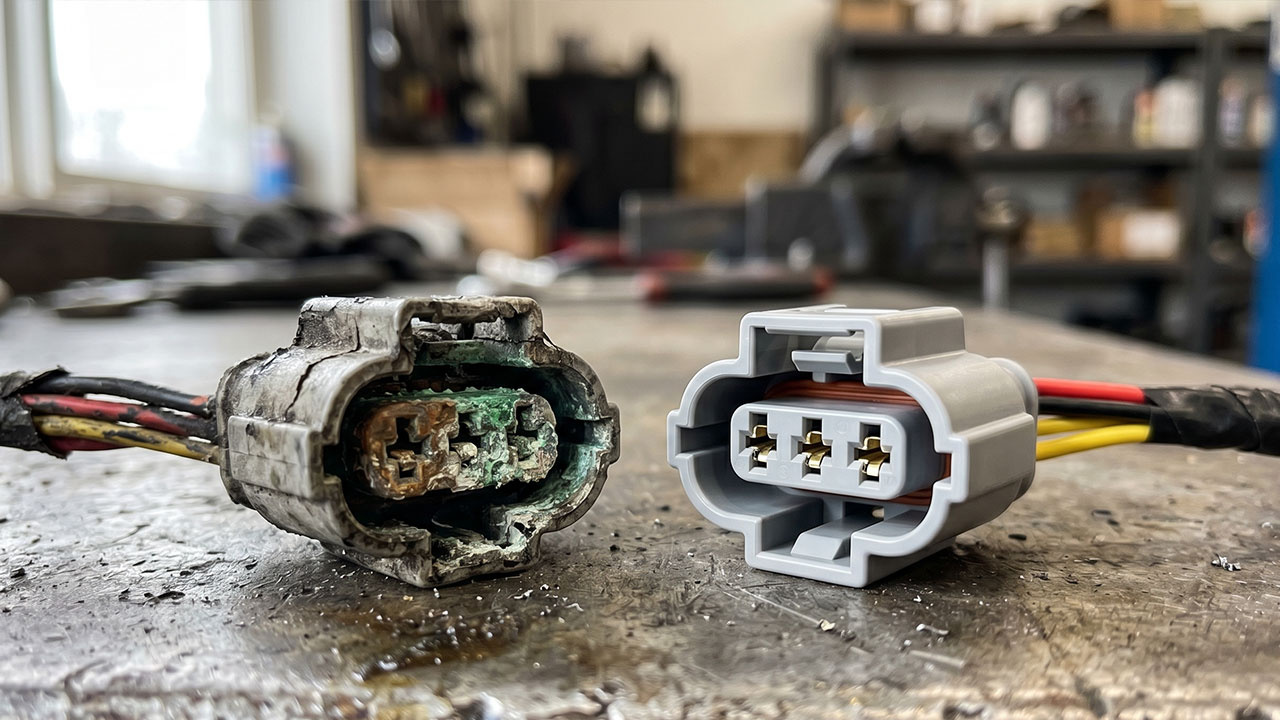
When a harness end is damaged in a collision, the default is to replace the harness. In this cost environment, that default needs a second look.
A proper pigtail repair using an OEM-spec connector is a legitimate fix. It costs less than a harness assembly, ships faster, and when the terminals, housing material, and wire gauge are all matched to spec, it holds up the same way. The keyword there is spec. A cheap connector with thin terminal plating or a housing that does not lock correctly is not a repair; it is a liability waiting to rear its head as a comeback.
For adjusters, this is also worth knowing when reviewing estimates. A line item for an OEM-style pigtail repair is not a shortcut. It is often the correct repair procedure, and it keeps the cycle time shorter and the parts cost lower on the estimate.
Finding the Right Part Without the Runaround
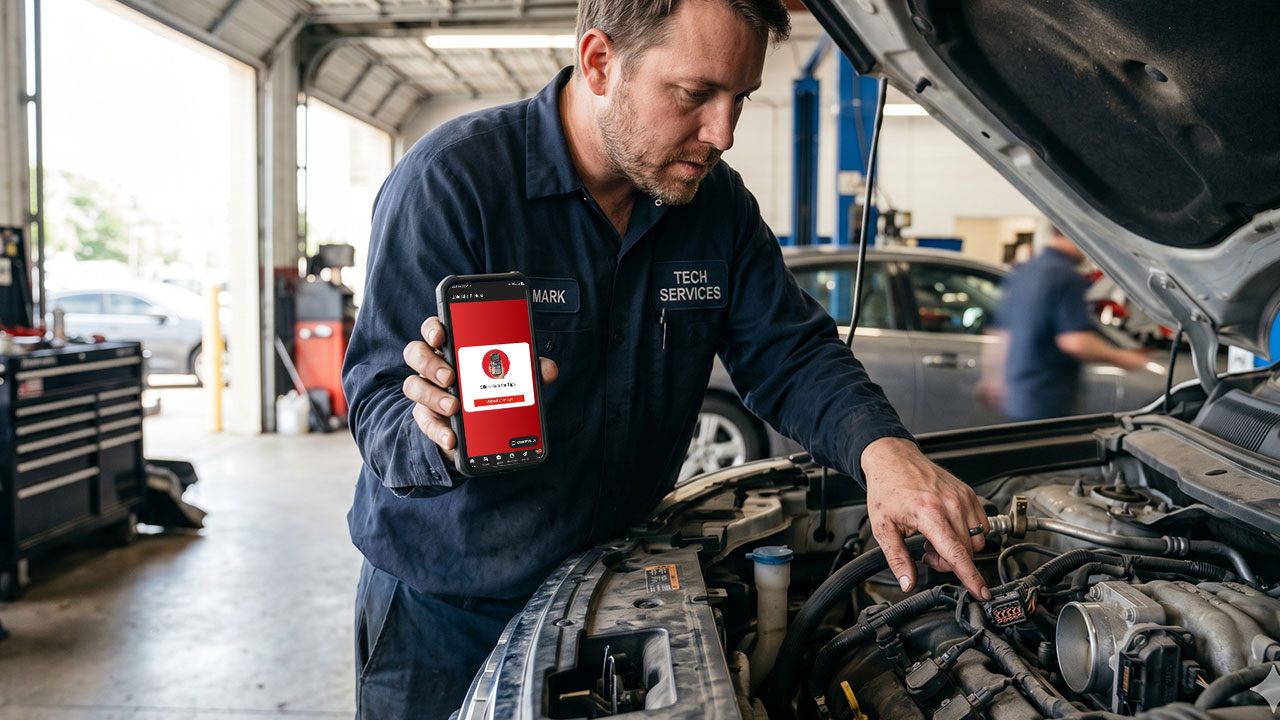
The sourcing part of a connector repair is where shops lose time. You know the harness end is damaged. You pull it apart, and now you need to figure out what connector that is and where to get it fast.
Snap a photo of the connector and send it to the team at FindPigtails.com. They will match it. You can also use the FindPigtails app to identify it on the spot. Either way, you are getting an OEM-style pigtail that fits the application, without spending an hour chasing it through three different distributors.
In an environment where every part on an estimate is fighting for margin, and every backorder stretches your cycle time, knowing exactly where to go for electrical connectors is one less problem on the job.